


OBI WORLD NEWS
International Martial Arts News.
Karate – Kobudo – Traditional Budo
Culture of Okinawa, Japan, Asia.
No.2 - December 2025.
🥋 Dojo Global – International news
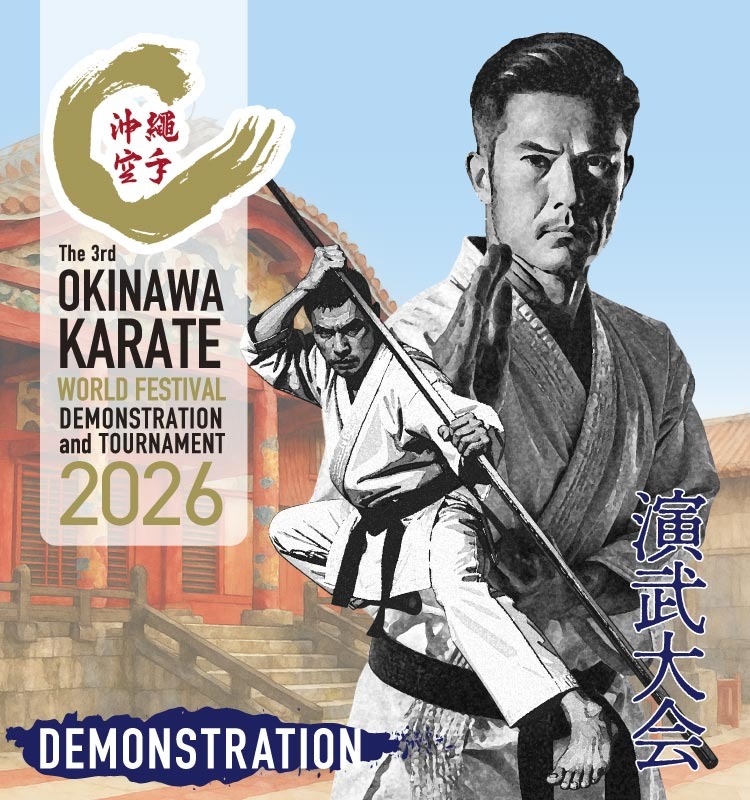
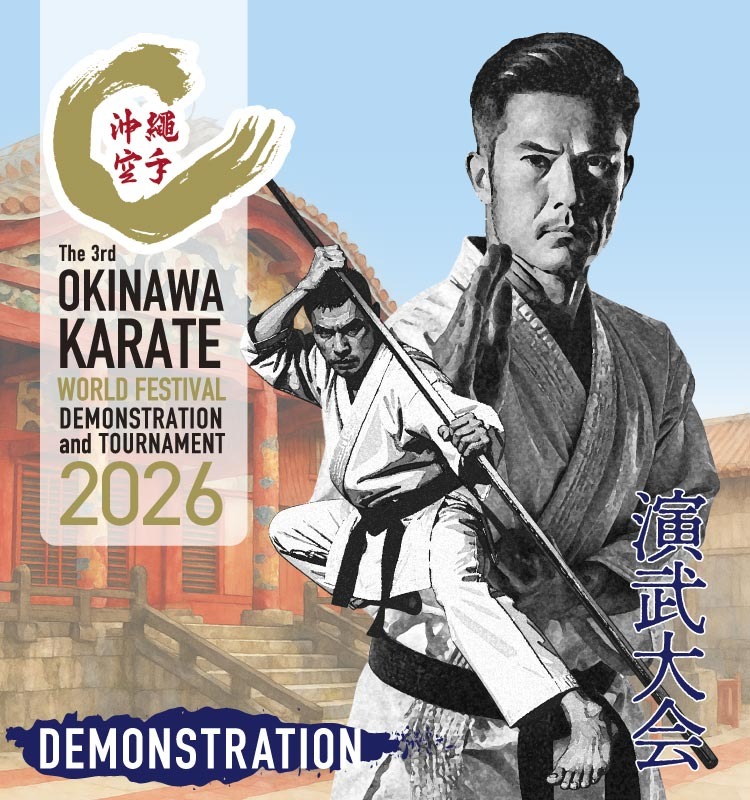
3rd Okinawa Karate World Festival.
The 3rd Okinawa Karate World Festival—a world tournament and demonstration of traditional Okinawan karate—has been officially announced, with invitations extended to dojos and practitioners worldwide. As part of the preparations, the organizers launched the Okinawa Karate Overseas Caravan: seminars have already been held in US cities (Washington, D.C. and Atlanta) since November 2025, led by instructors of traditional styles such as Shōrin-ryū, Goju-ryū, Uechi-ryū, and kobudō.
🌸 Martial arts Philosophy
Philosophy in the Dojo.
The philosophy of the dojo is at the heart of karate and kobudō practice. Beyond learning techniques, practitioners cultivate values and principles that guide their lives both on and off the mat:
Key Principles:
Do (Way): Every martial art is a path of personal and spiritual growth. The goal is not only to defeat the opponent, but to surpass oneself.
Shin (Spirit/Mind): Develop patience, humility, self-control, and resilience in the face of challenges.
Gi (Righteousness): Practice with honesty, integrity, and respect for others.
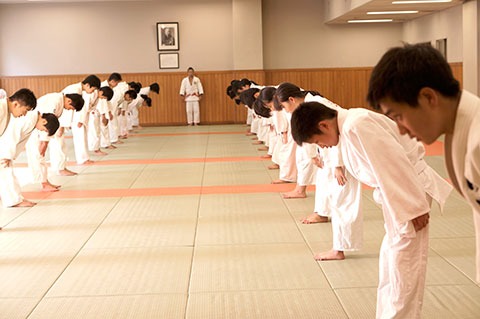
Rei (Courtesy): Bow and show respect to the instructor, fellow students, and the training space; acknowledge the tradition and discipline of the dojo.
The dojo is not just a place for physical training: it is a sacred space where the mind, spirit, and character are cultivated. Every bow, every kata, and every interaction within the dojo reinforces the values that will accompany the practitioner throughout their life.
⚔️ Technique and Training
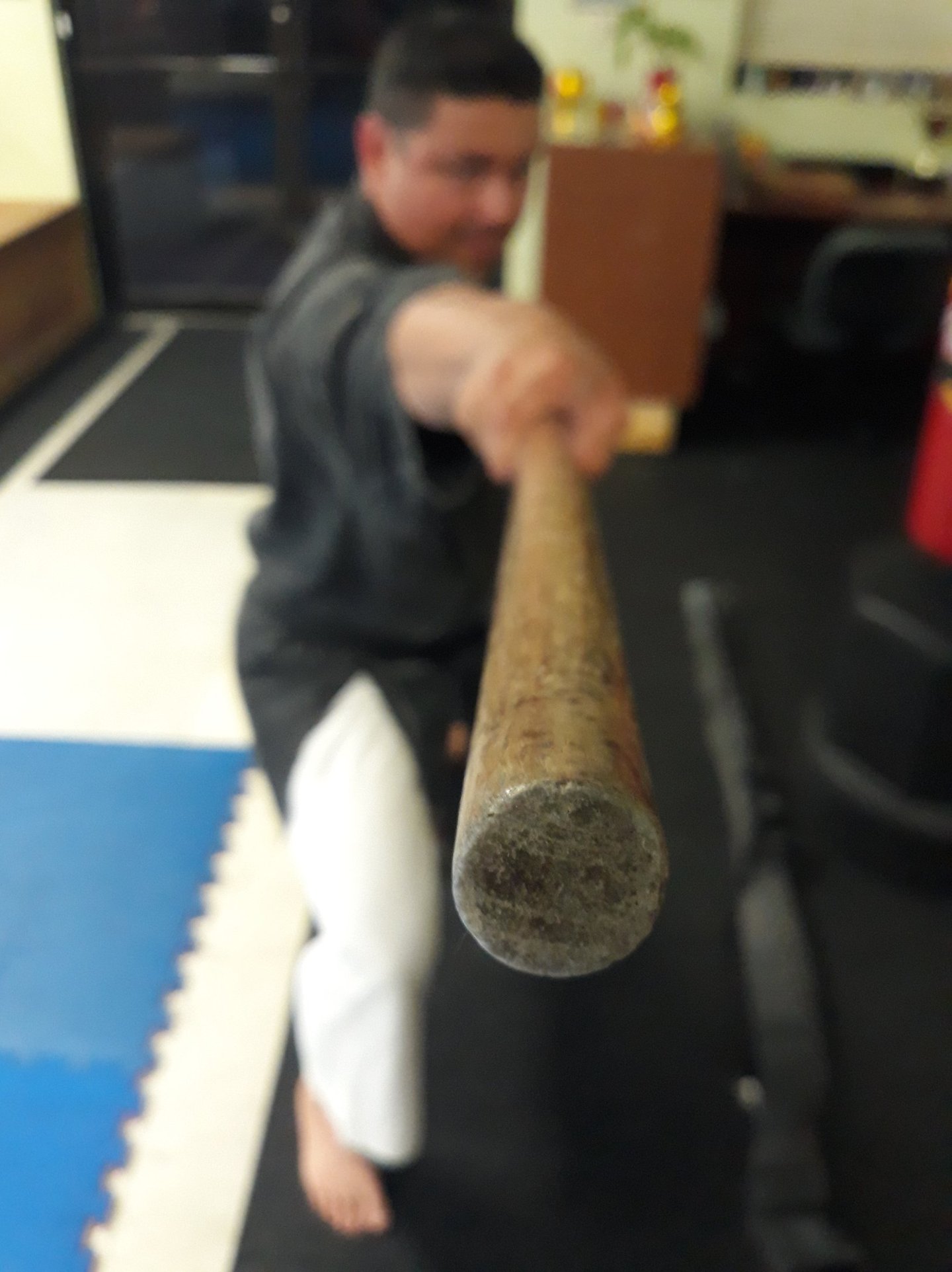
Principles of Kobudō Training
Kobudō training is not just physical; each practice follows principles that combine technique, discipline, and tradition:
1. Respect for the weapon
Each weapon is considered sacred and part of the tradition. It is placed in an orderly fashion before and after training and handled with reverence at all times.
2. Safety first
Initially, students learn with slow, controlled movements to avoid injury. Distance, angles, and speed are taught progressively, ensuring safe practice for both the student and their partner.
3. Integration with karate
Weapons handling reinforces posture, coordination, and timing—skills that are also applied in unarmed techniques. Each weapon kata complements traditional teaching, connecting strength, precision, and mental control.
4. Discipline and concentration
Each movement requires complete attention and precision. Conscious repetition strengthens muscle memory and the mind-body connection. Consistency and a respectful attitude in training are as important as technique.
🎎 Teachers and Profiles
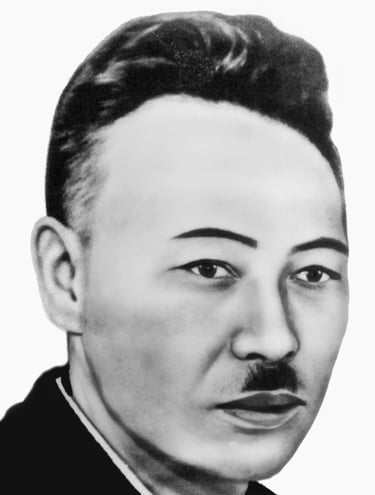
Matayoshi Shinko – The Master who started Okinawan Kobudō
When we speak of traditional Okinawan kobudō, we cannot fail to mention Matayoshi Shinko Sensei (1888–1947), a true pioneer of traditional weapons. From a young age, Shinko dedicated himself to learning and perfecting all Okinawan weapons: bō, sai, tonfa, nunchaku, kama, and eku. But his curiosity didn't stop at the island: he traveled throughout Japan and China to broaden his knowledge, combining local techniques with foreign teachings.
Thanks to his vision and discipline, he achieved the beginning of the integration of all traditional weapons into a single system, creating what we know today as Matayoshi Kobudō. His demonstrations and teachings left a mark that transcended generations, and his son, Matayoshi Shinpo, continued his legacy, developing and finalizing this integration and spreading this art throughout the world. In Okinawa, his name became synonymous with authenticity and tradition in kobudō.
Today, more than a century later, his legacy lives on in dojos around the world, reminding us that kobudō is much more than a set of weapons: it is discipline, history, and living culture.


Thanks to his vision and discipline, he achieved the beginning of the integration of all traditional weapons into a single system, creating what we know today as Matayoshi Kobudō. His demonstrations and teachings left a mark that transcended generations, and his son, Matayoshi Shinpo, continued his legacy, developing and finalizing this integration and spreading this art throughout the world. In Okinawa, his name became synonymous with authenticity and tradition in kobudō.
Today, more than a century later, his legacy lives on in dojos around the world, reminding us that kobudō is much more than a set of weapons: it is discipline, history, and living culture.
📅 Events and Seminars
Events
21–23 march 2026
2026 Official WUKF British Open Karate Championships
Crawley, Reino Unido (Londres)
////////////////////////////////////////////////////////
WTKF XXI Pan American Championship
November 20 - 2025
Natal, Brasil. Main path in Latin America for traditional karate.
💪 Health and Wellness
Feeding Times
Eating well isn't complicated. You just need to know what to eat and when to arrive at the dojo energized and recover like a true karateka.
Before training (1–2 hours before).
Goal: Stable energy + lightness + focus.
Choose:
Oatmeal with fruit.
Rice + mild chicken.
Sweet potato or light vegetables.
Fresh fruit (apple, banana, strawberries).
Avoid:
Heavy fats.
Fast food.
Energy drinks.
👉 Arrive at the dojo light and energized, not heavy or exhausted.

