

Newsletter November 2025 OBI/CNKI USA INTNL.
Latest news on Dojos affiliated with Okinawan Bushikan International (OBI) and CNKI USA International, tips on Karatedo, traditional Kobudo and more. NOVEMBER 2025.
OBI NEWS
🌍 Newsletter Obi – Quarterly Edition
The Hagakure is a classic Japanese book of samurai philosophy, written by Yamamoto Tsunetomo in the early 18th century. It contains teachings on discipline, loyalty, and the ethical conduct of samurai warriors. It focuses on the acceptance of death and the importance of acting with integrity at all times. Today, it is studied as a guide to life, leadership, and personal development based on traditional Japanese values.
It includes reflections on how to face adversity with calm and determination. It emphasizes the importance of humility, honor, and consistency between thought and action. Its influence transcends the military sphere and is applied in business, martial arts, and personal development.
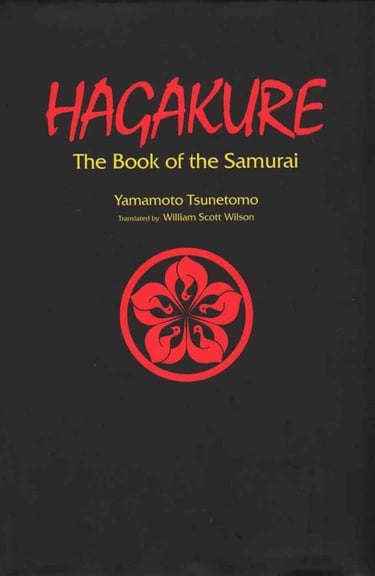
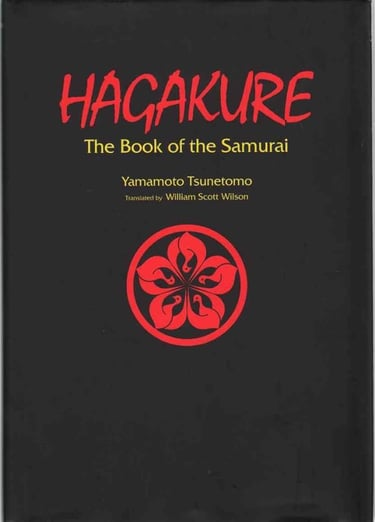
🥋 Hagakure – The philosophy of the samurai.
Uechi-Ryu is a traditional Okinawan style of karate focused on self-defense and internal strength. It is characterized by circular movements, short strikes, and firm blocking techniques. Training develops discipline, stamina, and mental focus. It includes the eight official kata: Sanchin, Seisan, Sanseiryu, Kanshiwa, Kanshu, Seichin, Seiryu, and Kanchin, essential for the practitioner's development. Uechi-Ryu combines open-hand and fist techniques for effective defense and opponent control. Today, it is practiced internationally, preserving its philosophy of humility, respect, and dedication.
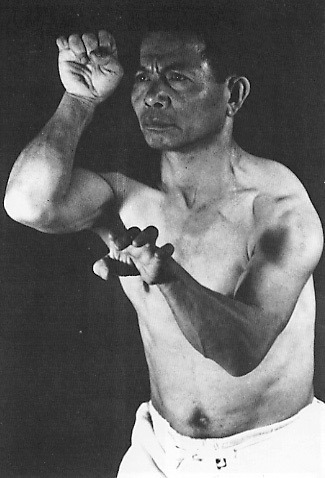
🥋 Uechi-Ryu Karate – Tradition and Katas
Respect is a core value in Okinawan Bushikan, reflecting the philosophy of Bushido and the samurai tradition, where others are valued, instructors are honored, and humility is cultivated. Bowing to the sensei upon entering the dojo, listening attentively during classes, and carefully observing the demonstrations of fellow students are practices that teach us to recognize the effort of others and not to underestimate anyone's path. Gratitude, for its part, invites us to value every lesson, every correction, and every opportunity to improve. As the Japanese proverb says, "Hana yori dango," it means that we appreciate not only the results but also the processes and actions that make them possible. Expressing gratitude at the end of a class, to a classmate who helps correct a technique, or to a sensei who shares their experience, strengthens the harmony and cohesion of the group. By practicing Respect and Gratitude, students learn to be mindful of their actions, fostering a safe, fair, and positive environment. These values transcend the dojo: they are applied at school, at home, and in the community, helping to shape well-rounded and responsible individuals. In Japanese philosophy, respect and gratitude are closely linked to the concept of "Wa," social and personal harmony, where every conscious act contributes to the collective good.
Beyond technique, Karate becomes a vehicle for ethical and moral development. Each kata, each kumite practice, and each moment of instruction are opportunities to internalize these values, transforming our students into individuals with character, empathy, and a profound sense of purpose. Thus, respect and gratitude become daily habits that strengthen both the spirit and harmonious relationships in all aspects of life.


🥋 Human, Ethical and Moral Values.
Eating dinner early is a simple habit that improves digestion and prevents discomfort during the night. 😴 It allows the body to rest better, which translates into more energy the next day. It also helps regulate metabolism, control weight, and maintain more stable energy levels. ⚖️ In Okinawa, one of the areas with the highest life expectancy in the world, it's common to eat an early and light dinner following the principle of "Hara Hachi Bu": eating only until you feel 80% full. 🌿 This approach promotes longevity, balance, and overall well-being.
For those who train in Karate and Kobudo, eating dinner early means arriving at the dojo with better concentration, greater ease, and improved physical performance. 🥋 Even in daily life, it promotes a good mood, mental clarity, and deep sleep. A small habit, but with great benefits for body, mind, and spirit.


🥋 The Importance of Eating Dinner Early
🌍 Obi News Update by Country
In Sunrise FL Dojo Miami, on November 2025, CNKI, WIKC, and Hachi o kai Kobudo training and examinations were held. Sensei, Luis Castro, successfully passed his Karate and Kobudo examinations for 6th Dan. The examining board included Sensei Facundo Gallero and Gustavo Gondra, along with Sensei Gustavo Saul and José Recalde. Congratulations to all participants for their dedication and effort!
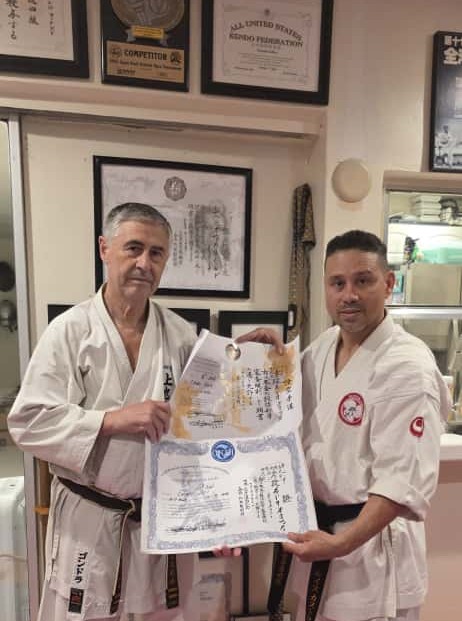
🇺🇸 United States
On Sunday, August 31st, the Okinawan Bushikan International Organization held official Okinawa Goju Ryu Karate exams. Students Angie Rosales and Gabriela Rosales (Honduras) successfully passed the Shodan Ho exam, while Sara Castro (USA – Orlando, FL) achieved the Shodan (1st Dan) rank. All three excelled on the Obi Standard Test, demonstrating technique, discipline, and commitment to the martial art. Congratulations to all three on this important achievement. Now a new path begins: Family, Discipline, and Effort. 🥋🔥
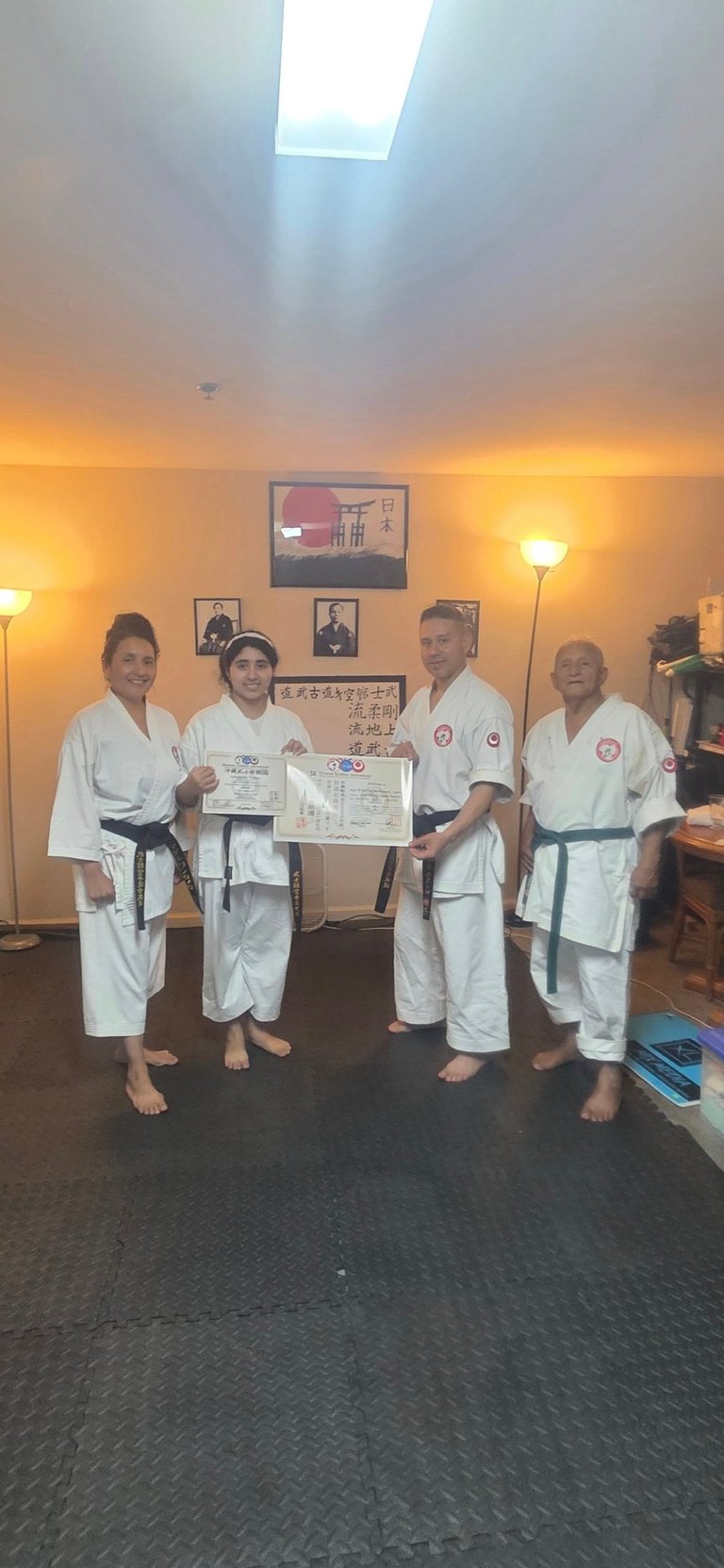
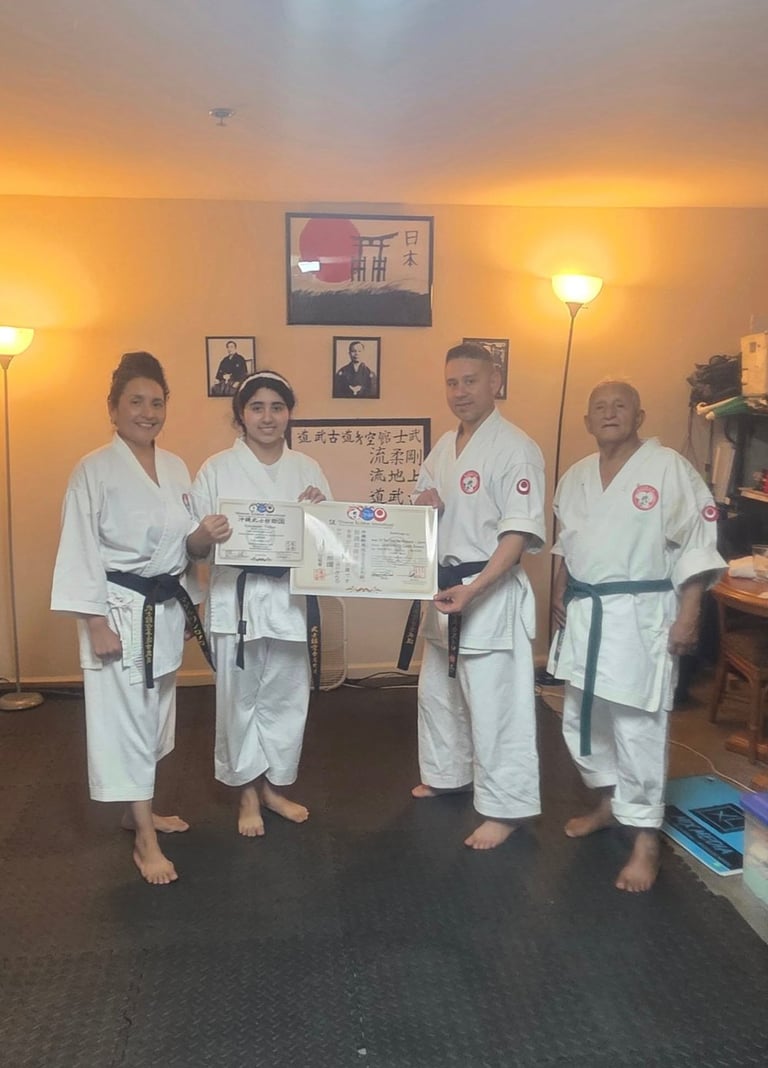
🥋 Degree Exams – Okinawa Goju Ryu Karatedo
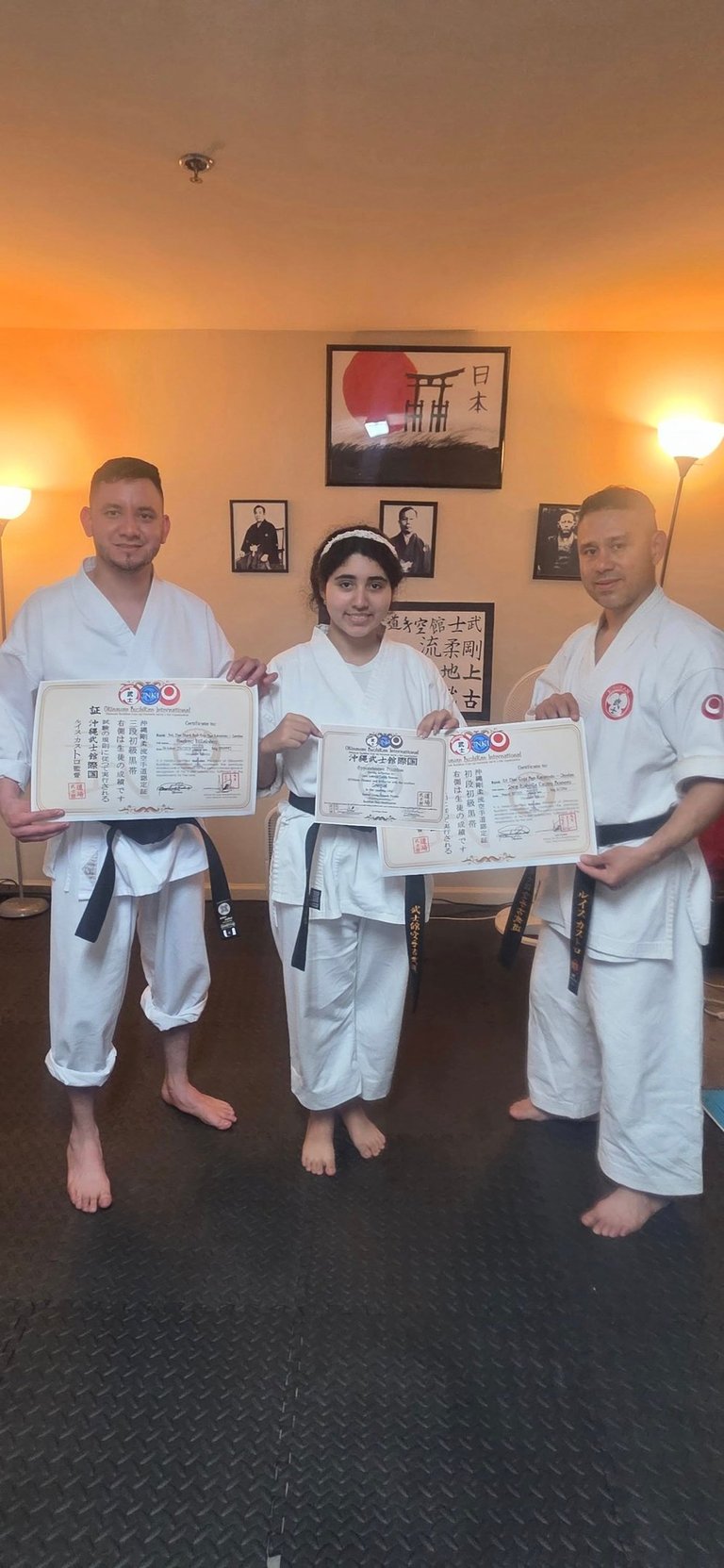
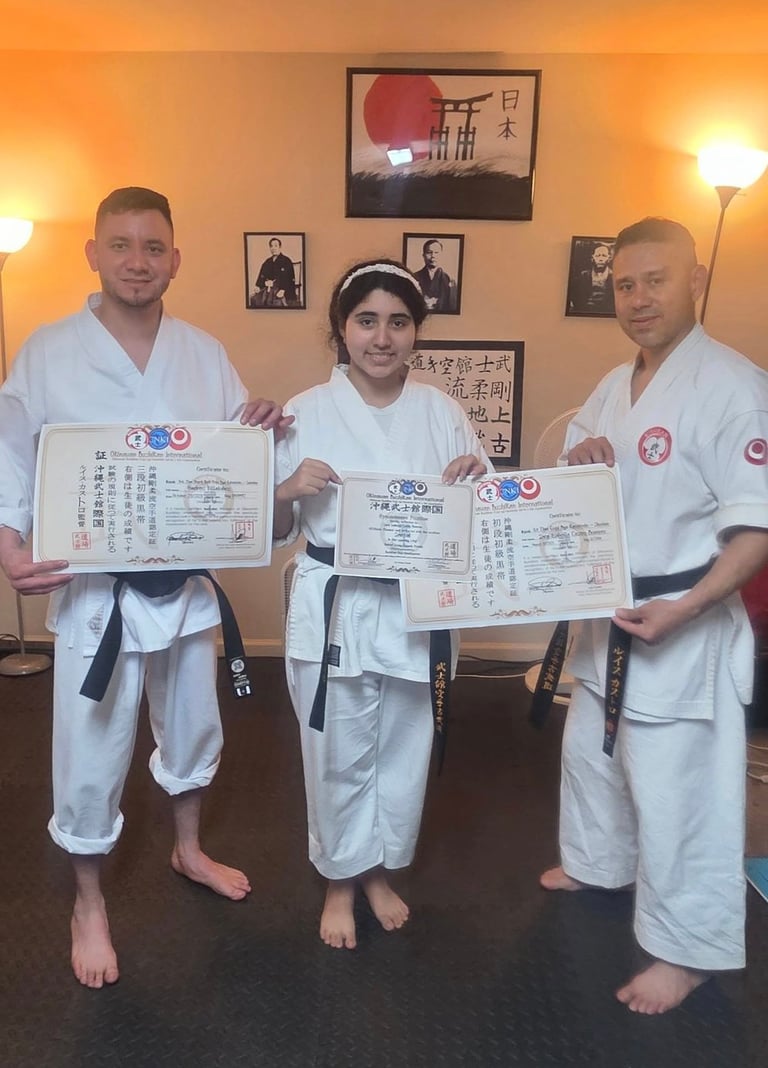
On November 2nd, we were honored to welcome Sensei Andrés Villalobos, who traveled from Oklahoma City to train and share with our students and instructors. During his visit, Sensei Villalobos passed his 3rd Dan Goju Ryu Karate exam, demonstrating technique, control, and a deep understanding of the style. Likewise, Sempai Sara Castro officially received her 1st Dan certificate, corresponding to the exam she took in August, thus completing an important stage in her martial arts development. Congratulations to both of them on these achievements, a reflection of discipline, perseverance, and the true spirit of Karate. 🥋🔥